Battered Maths: Putting the Fish Finger Sandwich Through the 2026 Value Wringer
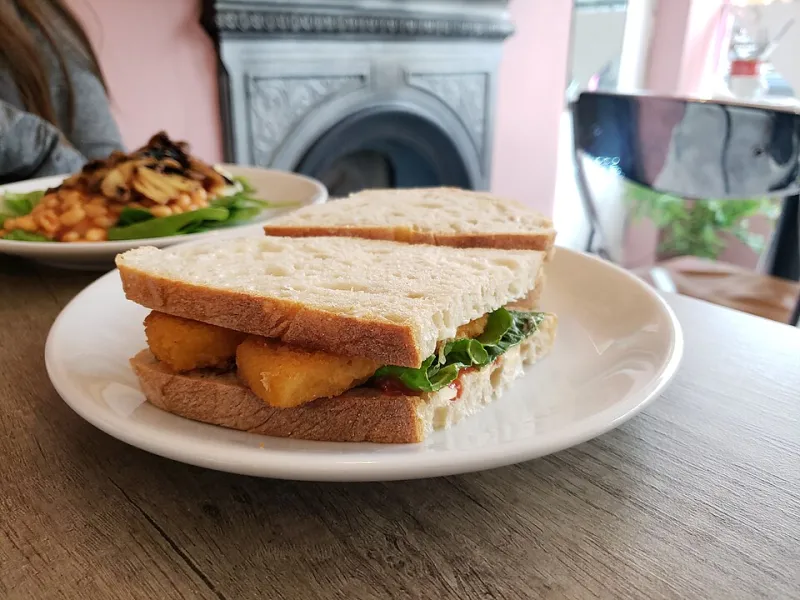
Photo: Andy Li, CC0, via Wikimedia Commons
There are two kinds of fish finger sandwich people. The first builds one at 12:40pm on a Friday, oven timer buzzing, tartare smeared with the enthusiasm of someone who has clocked out mentally already. The second rings a pub, books a table, and pays eleven quid for essentially the same idea with better plates.
Both are valid. Only one is sensible. So we did the unglamorous thing and costed them out line by line — bread, fingers, tartare, peas, crisps, the lot — to see whether the pub's version is genuinely better or just better lit.
The Contenders, Weighed Properly
For the home build we used a standard 12-pack of frozen fish fingers (£3.00), a decent seeded loaf (£1.45, roughly 20 slices), a jar of tartare (£1.60), a bag of garden peas (£1.20 for 1kg) and a six-pack of salt and vinegar crisps (£1.75). Nothing fancy, nothing grim.
The pub version came from a mid-range gastro-pub in a market town — the kind with chalkboards, a wood-burner and a menu that says "hand-pressed" a lot. Fish finger sandwich, £11.50. Chips as an add-on, £1.50. Lime and soda, £2.20. You know the drill.
The Home Build: £2.30 of Pure Nostalgia
Five fingers per sandwich works out at £1.25. Two slices of that loaf: 15p. A scrape of butter, 5p. Tartare at roughly an eighth of a jar: 20p. A proper scoop of peas: 20p. A bag of crisps on the side: 29p. Add around 15p for the oven running for eighteen minutes and you land at £2.29 a head.
That is not a typo. That is a full Friday lunch, with peas, for the price of a coffee you'd grumble about.
The crunch is real, too. Fish fingers straight from a hot oven have a shattering exterior that a pub kitchen — plating four at once, under a lamp, hurrying — struggles to match. The trick is to butter the bread first, so the tartare doesn't turn the whole thing into a soggy handbrake by bite three.
And yes, you're doing the washing up. We'll come back to that.
The Pub Version: Better Bread, Bigger Bill
Here's the thing — the pub sandwich is usually genuinely nicer. The bread is thick-cut sourdough, griddled in butter. The tartare has capers in it and a bit of dill. The peas arrive smashed with mint rather than rattling around frozen in a bowl. Someone else carries it to your table.
But £11.50 for four fish fingers and two slices of toast is a number that needs justifying, and the justification is mostly labour and rent, not fish. Add chips and a soft drink and you're at £15.20 before service charge. With 10% on top, £16.72.
That is seven times the home version. Seven. For a sandwich that, at its core, was invented to use up whatever was in the freezer.
Crunch, Comfort and Convenience: The Three-C Test
Crunch goes to the home build. Fresher out of the oven, hotter at the point of eating, no waiting for a pass.
Comfort is a draw on flavour but a pub win on feeling. There is something genuinely restorative about a pub lunch on a grim November Friday — the noise, the radiator, the fact that nobody expects you to do anything afterwards.
Convenience is closer than you'd think. The home version costs eighteen minutes of oven time and one tray. The pub version costs a walk, a wait, a bill and a vague sense of having been mildly mugged.
Where the Pub Actually Wins
Not the fish. The fish fingers are, in most cases, the same frozen product with the brand rubbed off — plenty of pubs buy them in by the catering box and everyone at the table knows it.
The pub wins on the extras that are genuinely fiddly at home: proper chips done in beef dripping, a properly made tartare, a remoulade if the chef is showing off, and the small luxury of not owning the mess. It also wins on the Friday you've had a week so bad that cooking feels like a punishment.
The Friday Lunch Verdict
If we're crowning a winner purely on value, comfort-per-pound and the sheer joy of a hot, crunchy sandwich at 1pm, the frozen bag takes it. £2.30 versus £16.72 is not a close contest, and the home build genuinely eats better than it has any right to.
But keep the pub in your pocket for the days when the value isn't the point. Some Fridays need a radiator, a chalkboard and someone else doing the washing up — and that's worth paying for, just not every week.
The ChewDays rule: build it at home, spend the saved £14 on something better than a sandwich. Unless it's raining sideways and the pub has a fire on. Then all bets are off.