The Garlic Sauce Gambit: Friday Night Kebab Shop vs Supermarket Fakeaway in 2026
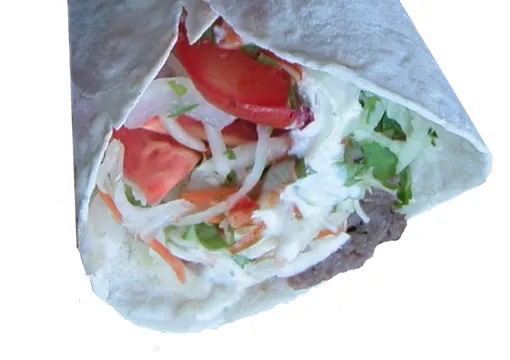
Photo: cyclone bill, CC BY-SA 2.0, via Wikimedia Commons
Friday night. The laptop is shut, the heating is doing its best, and the question lands like a dropped pitta: kebab shop or supermarket? In 2026 the wrapped doner is no longer an automatic tenner. Delivery apps have fees, sauce has become a line item, and the chip shop next door to the kebab house wants £3.20 for a portion. Meanwhile the supermarket has spent the last few years dressing up its fakeaway aisle. So we did the sums, ate the results, and came back with a garlic-sauce-stained ledger.
The tenner in question
We set a budget of £12—roughly what a solo Friday indulgence costs now if you don't want to feel robbed. That's the number we used for a large doner wrap, a portion of chips, and a drink from a local kebab shop. For the supermarket side, we allowed the same £12 for a kit, extras, and the electricity to cook it. Same money, different ritual.
What the kebab shop really charges
Our local, a proper strip-light-and-spit operation, lists a large mixed doner at £9.50. Chips are £3.20. Garlic sauce is 50p. Chilli sauce is free if you ask, but the app charges 30p for 'extra sauce' because of course it does. Delivery is £2.99 plus a 5% service fee, and the minimum order is £12. So a single wrap plus chips lands at £12.70 before tip—and at that point you're over budget. Walk in and it's £13.20 for the same food, but no delivery fee. The portion is generous: meat spilling out of the pitta, a full tub of chips, enough sauce to warrant two napkins. Value-wise, it's not outrageous. It's just not the loose-change feast of memory.
The supermarket kit: cheaper on paper, but read the small print
The kit we picked up—a supermarket own-brand doner kebab kit—was £4.25. It contained four flatbreads, a sachet of garlic sauce, a sachet of chilli sauce, and a packet of seasoning. No meat. That's the catch. You need 500g of lamb mince or a pack of ready-cooked doner strips. Mince was £4.60. A bag of oven chips was £1.75. A bag of salad was £1.20. Total: £11.80 for two people, or £5.90 a head. If you already have oil, salt, and a lemon, you're fine. If you don't, the kit becomes a £15 project. The flatbreads are decent but small; the sauce sachets are stingy. You will want more garlic sauce. You always want more garlic sauce.
The DIY fakeaway: more effort, more control
The middle path is buying components: pitta breads (£1.10), a tub of garlic mayo (£1.30), chilli sauce (£1.20), a bag of frozen doner-style strips (£3.50), and chips (£1.75). That's £8.85 for two, and you can stretch it to three if you bulk it out with salad and onions. The catch is time: the strips need a hot oven or air fryer, the pitta needs warming, the chips need 20 minutes, and you'll wash a tray. But you control the sauce ratio, which is the whole point of a kebab. You also avoid the delivery wait, the missing item, and the cold chips that arrive when the driver takes a detour.
Taste, texture and the sauce clause
Here's where the kebab shop still wins. The spit-roasted meat has that slightly crispy, fatty edge that no supermarket strip replicates. The pitta is steamed and soft, not brittle. The garlic sauce is sharper, looser, more likely to drip down your wrist. The supermarket kit tastes fine—properly seasoned, decent bread—but it's a bit polite. The DIY version is closer if you crank the oven high and let the edges catch. The sauce clause matters: a 50p upcharge for garlic sauce at the kebab shop is annoying, but the tub is usually bigger and better than the sachet. If you're a sauce person, that 50p is the best money you'll spend all night.
Chips: the great variable
Kebab shop chips are fried, salty, and built for dipping. Supermarket oven chips are... oven chips. If you have an air fryer, the gap narrows. If you don't, you're eating the same chips you'd have with a Wednesday tea. A portion of chippy chips costs £3.20; a bag of frozen chips costs £1.75 and serves two. That's a real saving, but it's not the same experience. Friday night chips are a mood, not a side.
The hidden ledger: time, energy, washing up
The kebab shop costs more in cash but less in time. You order, you wait 25 minutes, you eat. The supermarket route costs less in cash but more in effort: shopping, prepping, cooking, washing up. If your time is worth £10 an hour, the DIY fakeaway is a false economy. If you enjoy the cooking—and many of us do—it's a win. The delivery app route is the worst of both worlds: you pay a premium and still wait.
The verdict: when to wrap, when to build
For one person on a Friday, the kebab shop still edges it if you walk in and skip the chips. A large doner wrap alone is £9.50, and that's a solid tenner spent. Add chips and you're at £12.70, which is fine if you're splitting. For two people, the supermarket kit or DIY fakeaway wins on cost—£6 a head versus £12—but only if you're happy to cook. For a family of four, the kit is a no-brainer: £15-£20 feeds everyone, and you can put out extra salad and sauces. The doner arithmetic isn't a straight line. It's a wrap. And in 2026, the best value depends on whether you're buying convenience or ingredients. Both can be chew-worthy. Just don't forget the garlic sauce.


